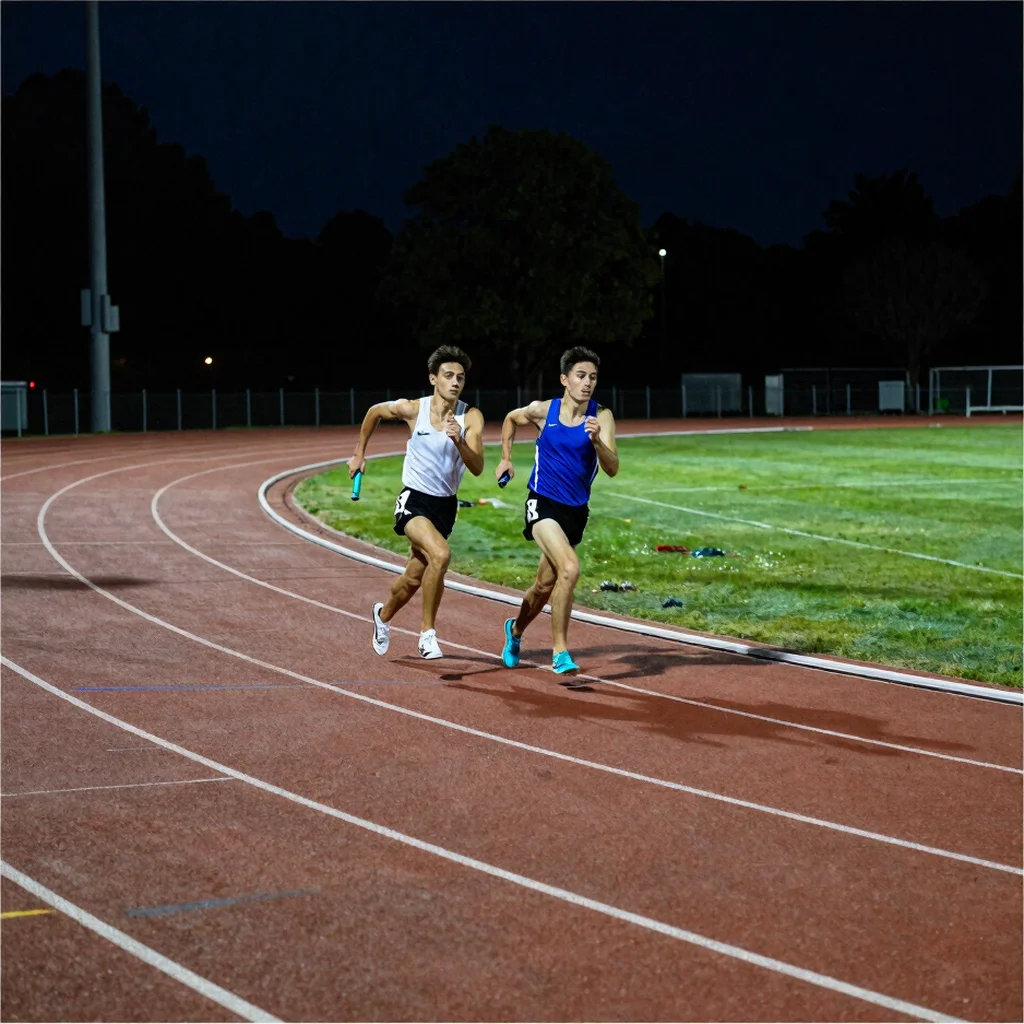
A player’s season can look tidy on a fixture list: practice, travel, competition, repeat. The lived version may involve fitting training around a job or school, carrying equipment across town, and finding a court or field that is available at the right hour. Those details rarely appear in a result, but they help explain what it takes to stay in a sport.
Look beyond competition day
The same questions apply across sports, even when the logistics differ. A badminton player may need dependable court time; a hockey player needs a place to train with the right surface and equipment; a tennis player may have to plan around access to a usable court. A report that follows the route to practice can reveal more about an athlete’s season than another recap of the final score.
Time is part of that route, too. Ask how training fits around work, study, caregiving, or long journeys, rather than assuming every athlete can organize life around a competition calendar. Those constraints are not side stories: they shape preparation and can determine who is able to keep showing up.
Report the conditions, not assumptions
Good human-centered coverage makes room for specifics without turning one athlete’s experience into a universal claim. Ask what a typical training week looks like, what gets harder during competition season, and which practical change would make the biggest difference. Let athletes describe the trade-offs in their own words, then check how facilities, schedules, or support arrangements fit that account.
The point is not to make every sports story about hardship. It is to show the work and conditions that sit behind performance, whether the athlete competes in cricket, table tennis, racing, or another sport. When readers can picture the journey to the starting line, the result means more.
Leave a Reply