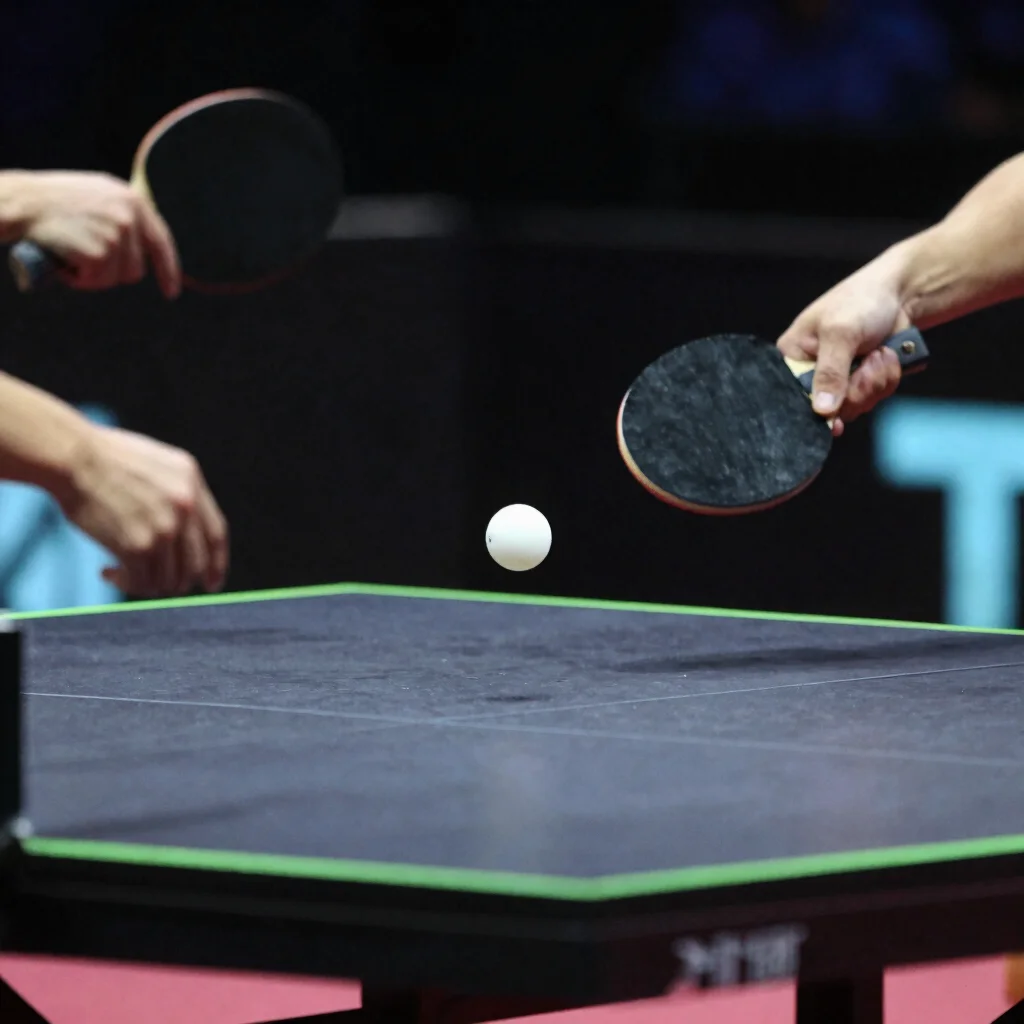
At a local sports facility, the most important detail may be the schedule pinned to the door. If the only open slot clashes with school, work, or a long trip across town, a court can be technically available but practically out of reach. Access is not just about whether a facility exists; it is about whether people can use it.
Make the schedule part of the story
Look closely at opening hours, booking procedures, fees, and the condition of the space. A badminton court with limited evening availability poses a different challenge from a neighborhood field that is open but poorly maintained. These particulars give readers something more useful than a broad claim that a community needs better facilities.
Talk to people who use the space and people who manage it. Ask which groups receive regular slots, how cancellations are handled, and what happens when demand exceeds the available time. A careful account should distinguish a documented rule from a user’s experience of how that rule works in practice.
Connect access to participation
The consequences reach across sports. A young tennis player, a community cricket side, and a track athlete may all depend on facilities with different surfaces and schedules, but each needs a reliable place to train. Following those everyday arrangements shows how sporting opportunity is shaped long before anyone reaches an elite competition.
A strong local sports report leaves readers with a clear picture of the barrier and the decision behind it. Who controls the booking system? What would make the space usable to more people? Those questions turn a quiet court into a story about the people and choices shaping sport.
Leave a Reply